By Jeni | JB Off Again Travel
Let’s be honest, packing is the fun part. Scrolling through hotel options, planning your itinerary, imagining yourself sipping something cold by a pool somewhere you’ve never been before… that’s what gets you excited.
But there’s a different kind of prep that separates a trip that flows, from one that unravels the moment something goes slightly sideways. After years of planning trips, both my own and other people’s, these are the travel health and safety tips I genuinely rely on, not just the ones that sound good in a listicle.
So here’s my practical, no-nonsense guide. Not the scary stuff. Just the sensible stuff.
🧳 Before You Even Pack
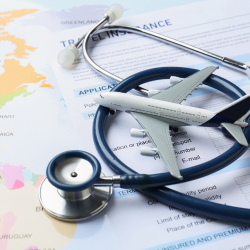
Travel Insurance – I Can’t Say This Loudly Enough
Get it. Book it the same day you book your trip. Not the week before you go. The same day.
You wouldn’t drive without car insurance, and travelling is no different. Things go wrong – flights get cancelled, bags get lost, people get ill.
A good policy covers medical care, cancellations, delays, lost luggage, and any activities you’ve planned (yes, that includes that scooter hire or water sports session you’re eyeing up). If you travel regularly, an annual policy is often better value than buying it trip by trip.
Check what you’re covered for before every trip. If there’s one piece of travel insurance advice I’d want you to take from this whole post, it’s this one. You can always add on waterspors or ski hire etc if not covered in your main policy
Vaccinations and Health Prep
The Travel Health Pro website is brilliant for this – it gives you country-by-country guidance on recommended vaccines, health risks, and anything else worth knowing before you go. Your local travel pharmacist can also advise and administer vaccines, often more quickly than you’d expect. Check the cost as well – some are free, some are ££.
Don’t leave this to the last minute. Some vaccinations need multiple doses over a few weeks.
Know the Weather (and the Risks)
Before you travel, take five minutes to look up the typical weather conditions for your destination and whether the area has seasonal risks like monsoons, hurricanes, or wildfires. It affects what you pack, how you plan your days, and what safety information might be worth knowing before you land.
💼 Pack Smart
Your Carry-On Is Your Safety Net
If you’re checking luggage into the hold, always pack a carry-on survival kit.
A spare outfit, swimwear, basic toiletries, any medication, chargers, and anything else you’d genuinely struggle without for 24–48 hours. Delayed or lost bags happen more often than airlines like to admit, and being stuck in yesterday’s clothes (or worse, your husbands – true story) while your suitcase takes a scenic detour via a completely different country is not the vibe.
Clothing and Footwear That Actually Makes Sense
Pack for where you’re going and what you’re doing. Sounds obvious, but you’d be surprised. If you’re visiting temples or religious sites, you’ll need to cover up. If you’re doing any kind of hiking or walking, proper footwear is non-negotiable. And if the weather could go either way, pack layers.
A Small First Aid Kit
Nothing elaborate just the basics. Paracetamol, plasters, Imodium, antihistamines, travel sickness tablets, and anything specific to your own health needs. You’ll be incredibly glad you packed it if you need it, and it barely takes up any space.
Your Day Bag Essentials
Keep a small pouch in your day bag with tissues, hand sanitiser, a reusable water bottle, a snack, and any medication you take regularly. Small habit, big difference, especially on long days of exploring.
📱 Staying Connected
SIM, Power Bank, Offline Maps
These three things are quietly one of the most important parts of any international travel safety checklist. A local SIM or eSIM (I like Airalo and have a code for £2.50 off your first eSim with them – use JENI0998) means you have data the moment you land, no scrambling for Wi-Fi or paying roaming charges. A fully charged power bank means your phone doesn’t die mid-navigation. (anker do good ones and you can gt mini banks and solar powered ones if you are trekking) And offline maps mean that even if your signal disappears, you’re not completely lost.
Download your destination’s maps before you leave home. Takes two minutes, has saved us more than once.
Money and Cards
Travel with at least one credit card, even if you don’t plan to use it often. They typically offer better fraud protection than debit cards and are genuinely useful in emergencies. Tell your bank you’re travelling so nothing gets blocked unexpectedly. Wee always travel with Wise, Revolut and Monzo cards s well as local cash and sterliing.
Carry some local cash too, not everywhere is card-friendly, especially markets, rural areas, and smaller restaurants. Split it between a few different places rather than keeping it all in one purse or pocket.
🌏 On the Ground
Drinking Water
Always check whether tap water is safe to drink at your destination. If it’s not, bottled water, purification tablets, or a filtration gadget like a LifeStraw all work, we use a Water to Go bottle & filter. If you’re travelling for longer stretches, a filtration device saves money and cuts down on plastic. Many European cities/ countries have drinkable water, less so the further afield you go
Food Safety
Eating your way around a destination is one of the great joys of travel. A few sensible habits help you enjoy it without getting sick: choose busy food stalls with good turnover, avoid anything that’s been sitting out in the heat, and wash or peel fruit where possible.
Jet Lag
If you’re crossing time zones, take it seriously. Stay hydrated, rest where you can on the flight, and try to adjust to local time as quickly as possible once you land. Severe jet lag can genuinely knock the first couple of days out of a trip. A longer post on this is comingg
Sun, Hydration and General Wellbeing
Nobody wants to lose a day to heatstroke or a dodgy stomach. Drink plenty of water – we often add an electrolyte powder if ts really humid, wear sunscreen, eat well, keep the alcohol in check (especially in the early days), and wash your hands regularly. It’s the basics that catch people out.
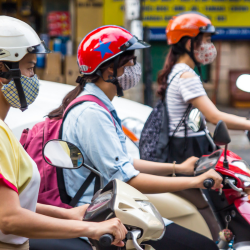
Helmets, Always, always wear one
In a lot of popular destinations, scooter hire is everywhere and helmet wearing isn’t always enforced. Wear one anyway, every single time. And only hire a scooter if you’re genuinely confident riding one “I’ll figure it out” is not a strategy.
🔒 Safety and Awareness
Know the Local Culture and Laws
Every destination has its own norms around dress, behaviour, and social etiquette. A quick look before you go means you arrive informed and respectful. It’s also worth checking local laws that might catch you out, medication restrictions, alcohol rules, drone regulations, photography restrictions at certain sites. These vary enormously.
Accommodation Safety
Leave valuables in the room safe when you go out. Use the Do Not Disturb sign if you don’t want staff entering your room. Don’t share your room number with people you’ve just met.
Carrying Cash and Valuables
Keep an eye on your belongings in crowded spaces, restaurants, and on public transport. Leave anything sentimental at home if you’re visiting somewhere with higher crime rates. One trick worth knowing: carry a secondary wallet with a small amount of expired cards and a bit of cash, something you can hand over without losing anything important if you’re ever in a difficult situation.
Digital Safety
Be careful on public Wi-Fi, airports, cafes, hotels. Avoid logging into banking apps or entering sensitive information unless you’re on a secure connection. A VPN is worth using. Enable two-factor authentication on your important accounts. Use your own charging cables rather than public USB ports.
One more thing: save the social media posts until after you’ve left a place, not while you’re there. Sharing your live location publicly is an easy way to signal you’re not home.
Taxis and Transport
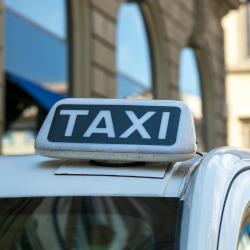
Use reputable taxi and transfer companies. At airports, book through the official licensed desks. Ask your hotel which local taxi services they’d recommend. If you’re solo, offline maps let you check you’re being taken on a sensible route. Uber, Grab, and Bolt all let you share your trip details with someone you trust — use it.
Scams
Look up common scams at your destination before you go. A quick search can save you a lot of hassle, most are well-documented online, and knowing the red flags means you’re far less likely to fall for them.
Emergency Contacts and Documents
Keep copies of your passport, travel insurance, accommodation details, and any essential medical information, physical copies and digital ones stored somewhere secure (a cloud folder or emailed to yourself both work). Save your country’s embassy number, local emergency services, and a trusted contact at home in your phone. If your country offers an embassy registration service for travellers, use it.
Keep Someone in the Loop
Before you go, share your rough itinerary and accommodation details with someone you trust back home. You don’t need to check in every hour, but the occasional message goes a long way, for their peace of mind and your own accountability. There are also personal safety apps offering location sharing, check-in timers, and quick access to emergency numbers, particularly useful if you’re following solo travel safety tips for the first time.
Learn a Few Basic Phrases
Even just hello, thank you, please, and “where is…?” in the local language goes a long way. It’s respectful, it often gets you a warmer reception, and it can help you navigate tricky situations with more confidence.

A well-planned trip isn’t a less exciting one. It’s just one where you spend your energy on the good stuff — the experiences, the food, the moments you’ll actually remember — rather than scrambling to sort out things that could have been handled before you left home.
That’s the value I bring to every client I work with. And it’s exactly what Ben and I do for ourselves, every time we head off again.
If you’d like help planning a trip, from the research stage right through to booking, that’s exactly what I’m here for.
More Travel Tips
Have a question about a specific destination? DM me or drop a comment below.
🌐 ABTA and ATOL protected 🔒
To book or chat about a trip idea, contact via DM JenAndBenAreOffAgain Travel Agent | WhatsApp: 07793 290622 | Email: JBOffAgainTravel@gmail.com | Or complete the request form
⭐ JB Off Again Travel is an independent travel advisor affiliated with InteleTravel UK, ABTA membership P7384. InteleTravel UK are appointed agents of our ATOL & ABTA protected suppliers ⭐